
Sleep Lab · Support & sleep position · 5 min read
How long does a memory foam pillow actually last?
A foam pillow does not expire on a date. It stops doing its job when the shape stops coming back — and that is something you can check tonight with one hand, not something a calendar can tell you.
Why is there no number on this page?
You will find a confident answer to this question almost everywhere: replace it every two years, or every three. We are not going to repeat it. Those figures move from one article to the next without anyone naming where they came from, and we have no written figure from the factory that makes our pillows. A number we cannot stand behind is worth less than no number at all — especially on a page that tells you when to buy something.
What we can describe is how foam stops working, and it is not a date. It is a slow loss of the shape coming back. The material is viscoelastic: it softens under warmth and weight and returns when the load is lifted. Over time that return gets less complete. Nothing happens on the anniversary of purchase.
What three checks can you do tonight?
- Press and lift. Press a hand into the surface and lift it away. Watch whether it comes back level. A slow return is normal for this material; a hollow that is still there in the morning is not. Do it on the part where your head rests, not on an unused corner.
- Look for a fixed dent. Turn the pillow sideways at eye level. A shallow depression that stays put when no one has slept on it is the clearest sign the foam has stopped recovering. Fluffing will not fix it, because the shape is in the foam, not in the cover.
- Check the cover separately. A cover that has gone slack, pilled or no longer sits flat changes how the pillow holds you, even when the foam inside is fine. Judge the two apart. Replacing a cover and replacing a pillow are different decisions.
What do we put on the page instead?
We print the facts we do have in writing. On Curve: 600 × 400 mm, two built-in heights of 95 mm at the outer rim and 85 mm in the centre, a polyurethane memory foam core at roughly 60D, and a cover that is 90% polyester and 10% elastane on top. On Gel: 680 × 480 × 100 mm. Those are measurements, not promises — you can check them with a tape measure, and they are the same on every unit we ship.
We leave the rest out. We do not print a rebound time, because we were never given one. We do not print a guaranteed number of years, for the same reason. And we do not quote customer reviews here: the English comments we found about foam wearing out came from sites selling pillows, some of them claiming to quote forum threads without linking to a single one. We could not verify an original post, so we print none of them.
Where do the two pillows fit?
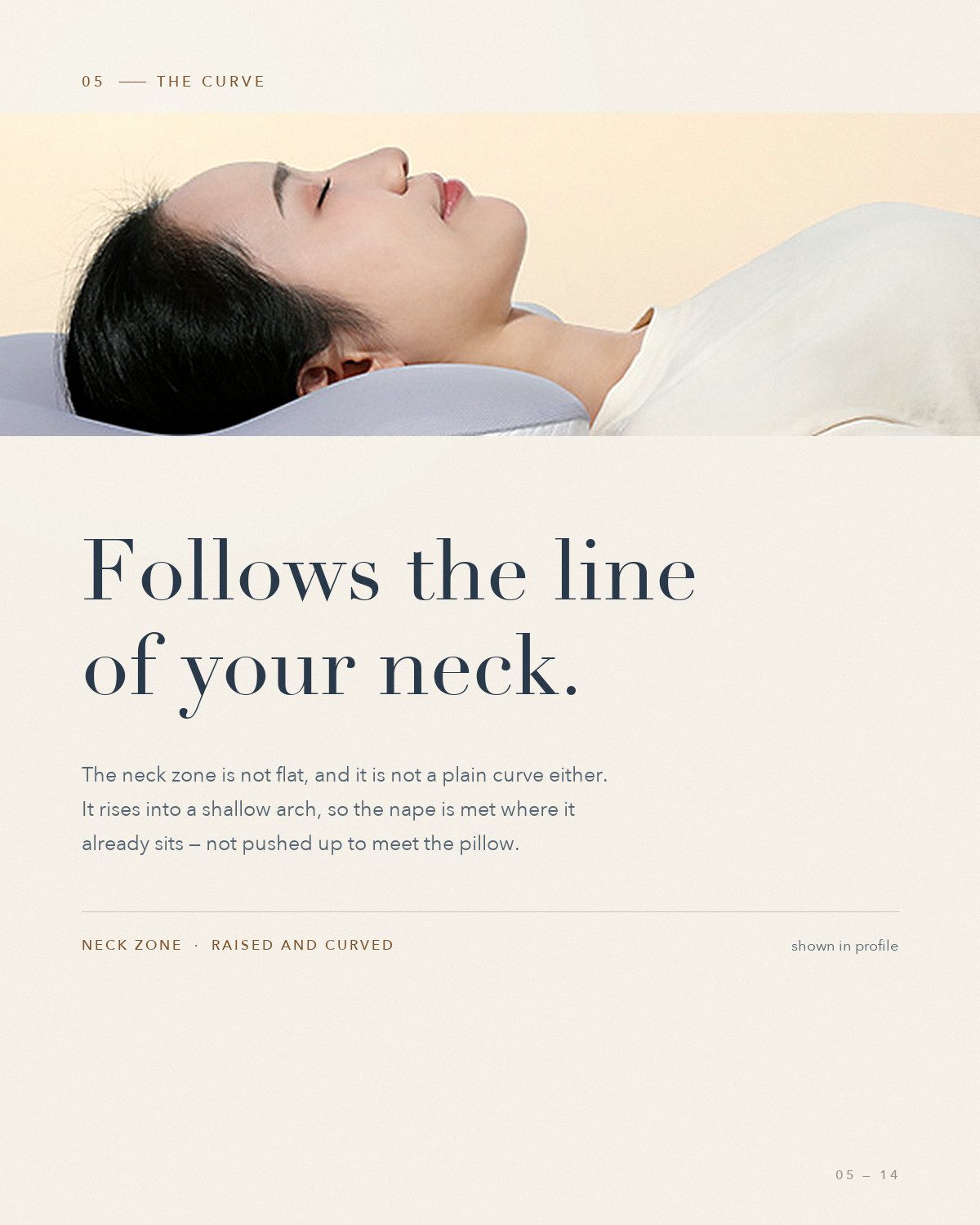 AERÉ Curve
A butterfly-shaped memory foam pillow with two shoulder notches and two heights in one. $79.00.
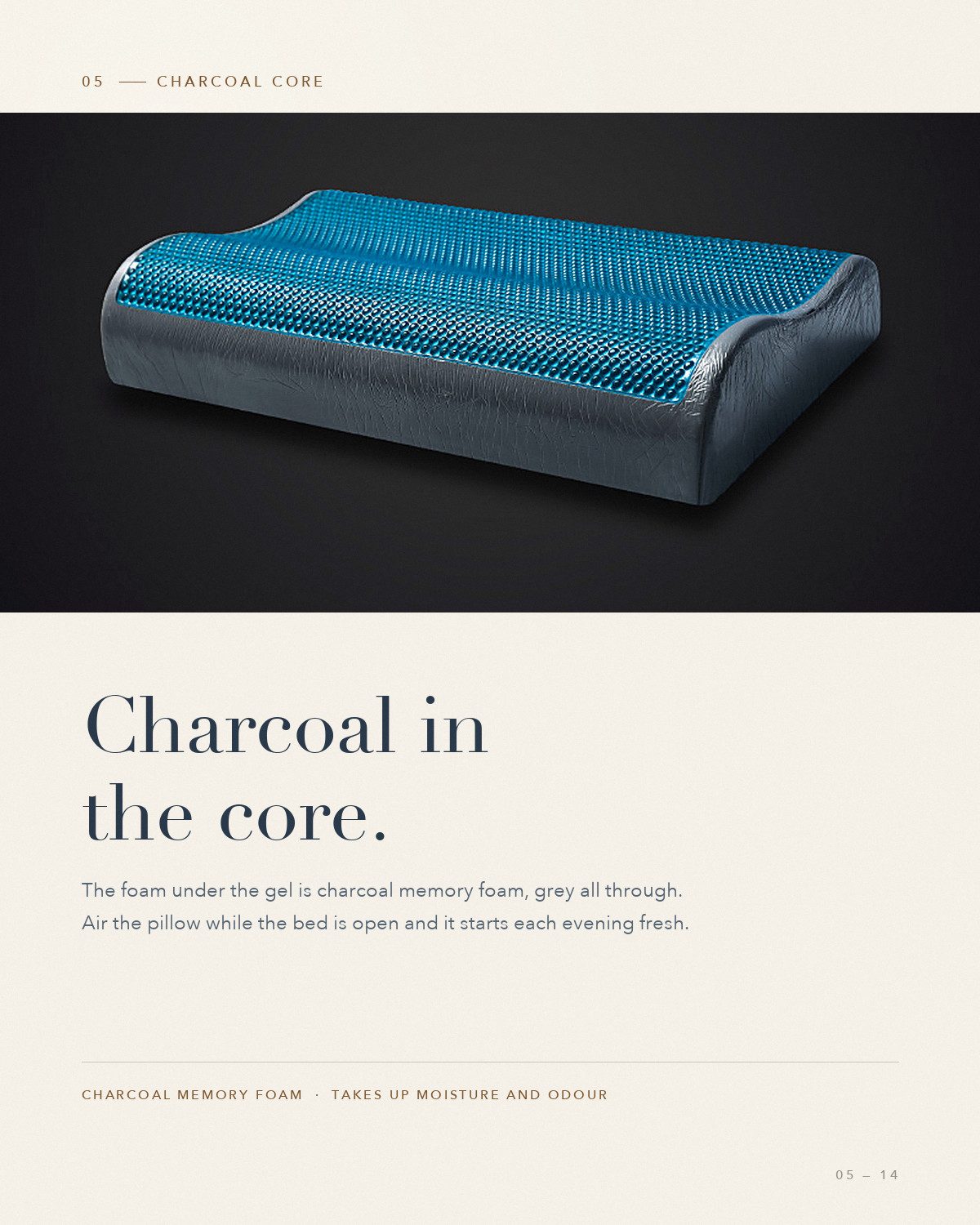 AERÉ Gel
Cooling gel bonded to charcoal memory foam, cut in a wave for the neck. $139.00.
About AERÉ
AERÉ is a sleep and everyday-wellness home brand based in Hangzhou, China, designing twenty things for the hour before bed.
Questions people ask next
We would not tell you a number. Two people can use the same pillow for the same length of time and get very different results, because load, warmth and care differ. Use the three checks above and decide from the object in front of you.
Density describes the material, not a service life. We print roughly 60D for Curve because it is a measurement we have in writing, and we stop there. We would rather give you a figure you can verify than a prediction you cannot.
Follow the care label on the cover itself. We do not print washing instructions we were not given in writing, and we are not going to guess at one for a page with our name on it.